Valve stem seals are crucial components in modern internal combustion engines, playing a vital role in ensuring efficiency and performance. With the increasing demand for high-performance vehicles, the wholesale valve stem seals market has surged, and these components have become indispensable for manufacturers and mechanics alike. By preventing oil leakage into the combustion chamber, valve stem seals significantly enhance engine longevity and fuel efficiency. In a world where engine performance translates directly to consumer satisfaction, understanding the significance of these seals is more important than ever.
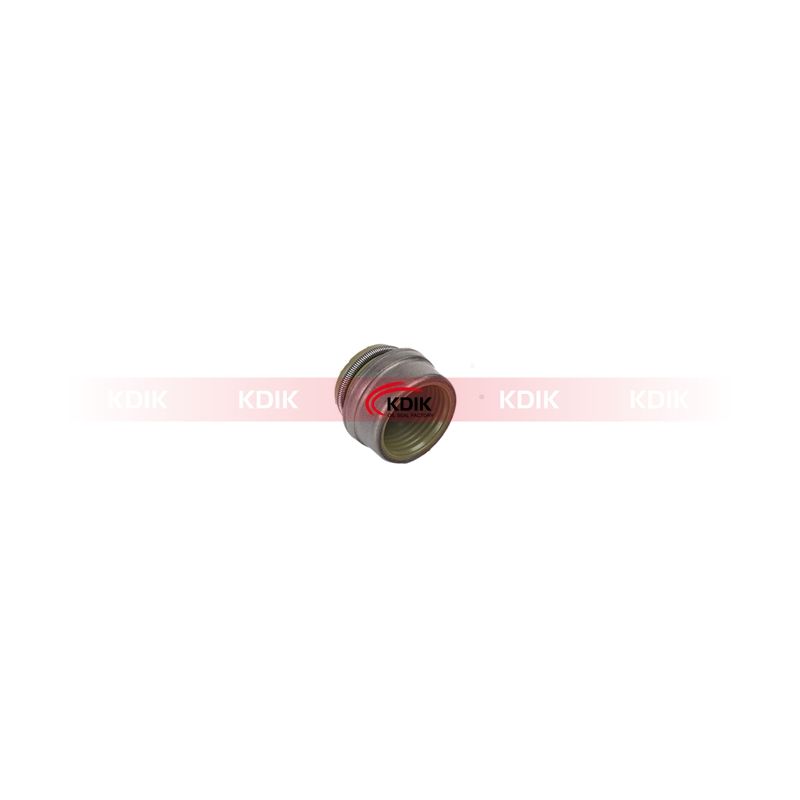
What Are Valve Stem Seals?
Valve stem seals are small but critical components made from materials like rubber or silicone, designed to fit around the valve stem of an engine. Their primary purpose is to control the flow of oil entering the combustion chamber, thus preventing oil from mixing with fuel and affecting combustion efficiency. When engine components experience wear and tear, the effectiveness of valve stem seals decreases, leading to oil leaks, increased emissions, and reduced engine performance.
Industry Term Analysis
In automotive engineering, valve stem seals are often discussed in conjunction with terms like “blow-by,” referring to the gases that bypass the piston rings and enter the crankcase, or "compression loss," which can occur when seals fail. A report from the Society of Automotive Engineers (SAE) emphasizes that worn or damaged valve stem seals can increase oil consumption by approximately 25%, which translates into not only financial loss but also environmental concerns due to increased emissions.
Application Scenarios for Valve Stem Seals
Valve stem seals are widely used in various applications within the automotive industry, including:
Passenger Vehicles: Almost all modern cars utilize valve stem seals to enhance engine efficiency and reduce oil consumption.
Performance Vehicles: High-performance engines with turbochargers or superchargers require robust valve stem seals to prevent oil leakage under higher pressure conditions.
Heavy-Duty Trucks: In commercial vehicles, the longevity of the engine is crucial. High-quality valve stem seals help in maintaining optimal performance over extended periods.
Motorcycles: Two-stroke and four-stroke engines in motorcycles rely heavily on valve stem seals to maintain efficient combustion and lubrication.
Advantages of Using Quality Valve Stem Seals
Investing in high-quality wholesale valve stem seals brings several significant advantages:
Improved Engine Longevity: According to a study by the American Automobile Association (AAA), proper sealing can increase engine lifespan by up to 12% by reducing wear and tear.
Enhanced Fuel Efficiency: Replacing worn valve stem seals can lead to a fuel economy improvement of 5-10%, a notable difference that saves consumers money over time.
Reduced Emissions: Using quality valve stem seals can decrease harmful emissions by over 30%, aligning with environmental regulations and consumer expectations.
Is It Worth Replacing Valve Stem Seals?
With the significant advantages listed, one might wonder if it’s worth the investment to replace valve stem seals in an existing vehicle. The answer is a resounding yes. Identifying leakage early and replacing old valve stem seals leads to prompt repairs that prevent more expensive engine damage later on.
Next Steps
To ensure the best performance from your engine, consider consulting the user guide for your vehicle or the specific parts manual related to valve stem seals. Understanding when to replace these components can mean the difference between routine maintenance and costly repairs. For further understanding of high-quality valve stem seals, consider brands like KDIK, which are known for their durability and reliability.
Frequently Asked Questions (FAQ)
1. How often should valve stem seals be replaced? It's advisable to replace valve stem seals during significant engine repair services, typically every 100,000 to 150,000 miles, or sooner if you notice oil leaks and decreased performance.
2. What are the signs of faulty valve stem seals? Common signs include oil spots under the vehicle, excessive exhaust smoke, low oil pressure, and increased oil consumption.
3. Can I replace valve stem seals myself? While this task can be completed by experienced DIYers, it often requires specific tools and knowledge about engine mechanics. It’s recommended to consult a professional if you’re uncertain.
In conclusion, understanding valve stem seals extends beyond mere familiarity; it involves acknowledging their role in enhancing engine performance, efficiency, and compliance with environmental standards. For those interested in exploring wholesale options, brands like KDIK offer excellent products to ensure that your vehicle performs at its best for years to come.


