When it comes to automotive issues, one of the more serious concerns vehicle owners face is a differential leak. This problem can lead to significant long-term damage if not addressed promptly. The differential is a vital component that allows for smooth turns in your vehicle while transferring power to the wheels. If you notice fluid pooling under your vehicle, particularly a light, translucent substance, it may indicate a leak in your Automotive Oil Seal. Understanding the severity of a differential leak, its implications, and the steps you need to take can save hundreds—if not thousands—of dollars in repairs.
Understanding the Problem
Many car enthusiasts and everyday drivers often overlook the differential until they experience a sudden problem. For instance, consider the case of Jim, a 32-year-old avid truck driver. Jim was driving his pickup truck for about a month when he began hearing a whining sound and noticed a fluid leak at the rear end. After conducting some research, he discovered that a differential leak could be the culprit. He quickly realized that if untreated, this issue could lead to complete differential failure, incurring estimated repair costs of $1,500 to $3,000.
This underscores the critical importance of identifying and addressing differential leaks before they escalate, emphasizing the need for proper knowledge of Automotive Oil Seal issues, early detection, and timely repairs.
Required Preparation
Before tackling the issue of a differential leak, it's crucial to gather the necessary materials and tools:
Materials:
Gear oil (specific to your vehicle model)
A replacement Automotive Oil Seal
Leak detection dye (optional for serious leaks)
Tools:
Wrench set
Sockets
Fluid pump for refilling
Jack and jack stands
Oil catch pan
Step-by-Step Guidance
Here’s a straightforward step-by-step process to diagnose and address a differential leak:
Inspect for Leaks: Begin by visually inspecting the differential housing for signs of oil leakage. Use a clean rag to wipe the area, and check for any visible cracks or damage.
Jack Up the Vehicle: Safely lift the rear of the vehicle on a level surface using a hydraulic jack and secure it with jack stands.
Check Fluid Levels: Remove the differential cover. Check the fluid level; if it’s low, that’s a definitive sign of a leak.
Replace the Automotive Oil Seal: If the seal is damaged, it must be replaced. Use the appropriate tools to remove the old seal and install the new one securely.
Refill Differential Fluid: Use a fluid pump to refill the differential with the correct gear oil until it reaches the proper level.
For visual assistance, you can refer to this image: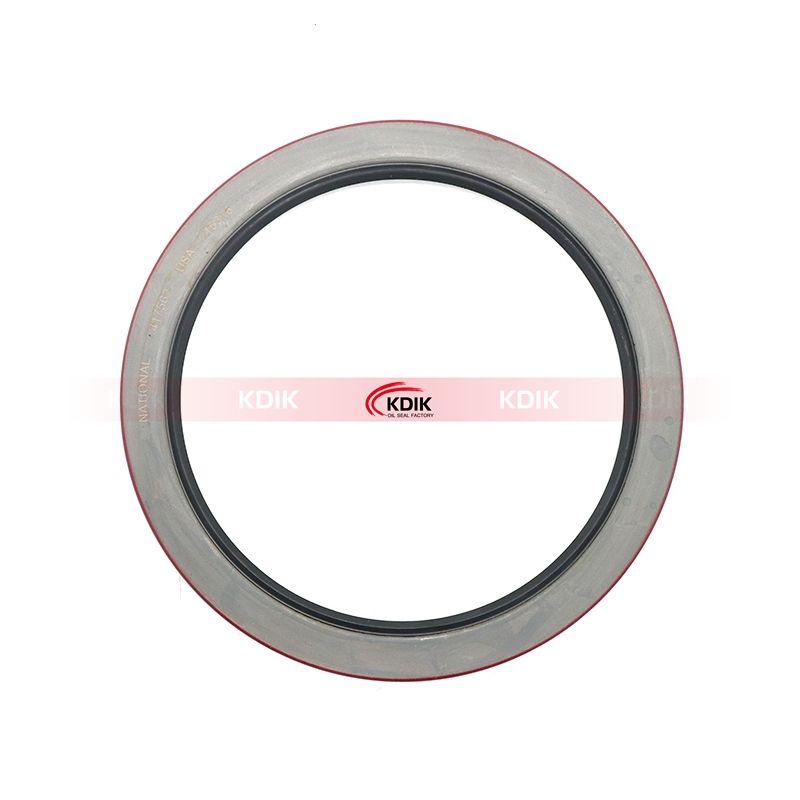
Common Errors and Solutions
The following are frequent mistakes made when dealing with differential leaks and their resolutions:
Not Using the Right Gear Oil: Always refer to your vehicle’s manual to select the appropriate differential fluid. Using the wrong type can result in increased wear.
Skipping Seal Replacement: If there is evidence of damage to the seal, do not merely top off the fluid. Replace the seal to prevent future leaks.
Neglecting Regular Maintenance: Regularly check the differential fluid levels and inspect for leaks. Doing so can prevent extensive damage and costly repairs.
Summary and Suggestions
In conclusion, a differential leak is a serious issue that should not be ignored. Promptly identifying the signs of a leak and addressing them through proper and timely action is critical. Regular maintenance can help extend the life of your differential, saving you both time and money in the long run. For those engaging with services like KDIK, consider preventive check-ups to catch any issues early.
FAQ
What are the signs of a differential leak?
Common signs include unusual noises from the differential, fluid pooling under the vehicle, or erratic handling while turning.
Can I drive my vehicle with a differential leak?
It is not recommended. Driving with a differential leak can lead to further damage and potentially complete failure of the differential.
How often should I check my differential fluid?
It is advisable to check differential fluid levels every 30,000 to 60,000 miles or with regular vehicle maintenance.


