Understanding the Cost of Camshaft Seal Replacement
When it comes to vehicle maintenance, one of the critical components that can pose problems is the camshaft seal. This often-overlooked part controls the supply of oil to the engine, preventing leaks that can lead to significant damage. Typically, questions arise surrounding the cost of camshaft seal replacement, with users seeking to understand if it’s a necessary repair and how much they can expect to spend. Reports indicate that the average cost to replace camshaft seals ranges from $300 to $1,000, depending on the vehicle's make, model, and labor costs. By addressing common pain points associated with this repair, we can shed light on the real intentions of car owners, which often stem from financial concerns and a desire for vehicle longevity.
Essential Preparation for Camshaft Seal Replacement Costs
Before diving into the replacement process, it's vital to gather all necessary information and tools. Here's what you need to know:
Materials Needed:
Camshaft seal replacement kit (costs vary between $30 to $200)
New oil (quantity depends on the engine)
Sealant (specific for camshaft seals)
Tools Required:
Socket wrench set
Torque wrench
Oil pan for draining
Prerequisites: Ensure you have basic mechanical knowledge or consult with a professional mechanic. It’s essential to have a clean workspace and proper safety gear.
Step-by-Step Guidance for Replacing Camshaft Seals
Now that you have all your materials and tools, it’s time to begin the replacement process. Follow these steps carefully.
Step 1: Gather your tools and materials and ensure your vehicle is parked on a flat surface with the engine off.
Step 2: Remove the engine cover using a socket wrench. This will grant you access to the camshaft.
Step 3: Drain the engine oil into a suitable oil pan to prevent spills and ensure safety.
Step 4: Locate the camshaft seal. Typically, it's situated near the camshaft and one of the crankshaft seals.
Step 5: Remove the old camshaft seal gently using a seal puller or flathead screwdriver, making sure not to damage surrounding areas.
Step 6: Clean the area around the seal seat to ensure a proper fit for the new seal.
Step 7: Install the new seal. It's essential to press it in evenly, using a hammer and a seal driver if needed.
Step 8: Refill the engine with oil and replace the engine cover, ensuring all bolts are securely fastened.
Step 9: Start your engine to check for leaks. If leaks persist, it’s advisable to consult a mechanic.
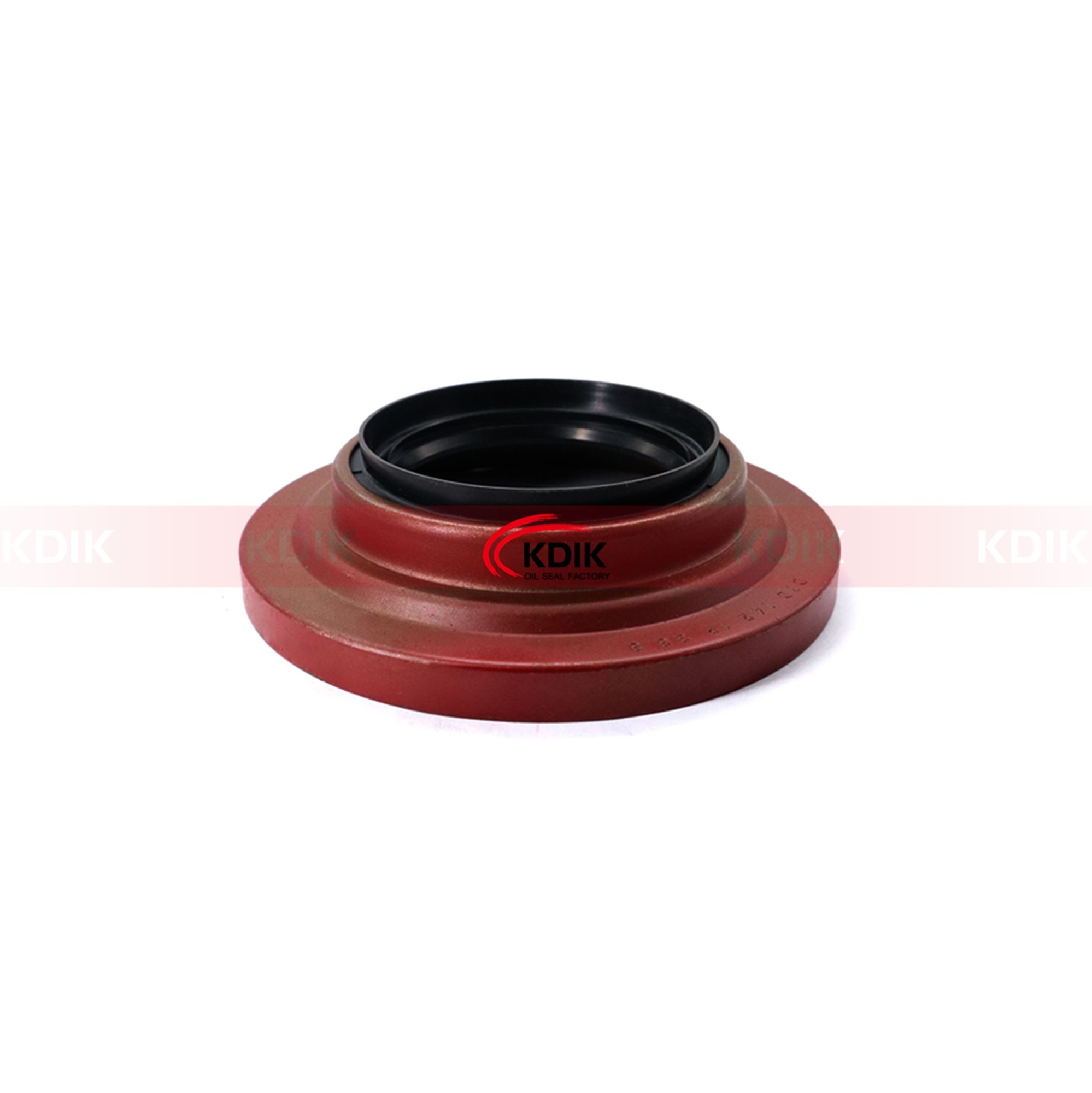
Common Errors and Solutions
During camshaft seal replacement, users often encounter several common errors:
Incorrect Seal Installation: Ensure the seal is installed evenly to avoid leaks.
Failure to Clean the Area: Dirt or debris can prevent the new seal from sealing properly. Always clean the workspace thoroughly.
Leaving Old Seals Partially Installed: Remove all remnants of the old seal to ensure a perfect fit for the new seal.
Summary and Suggestions on Camshaft Seal Costs
Replacing camshaft seals is not just about cost; it’s about ensuring the longevity of your vehicle. On average, expect to budget between $300 and $1,000 for a professional service, depending on the factors mentioned earlier. Personal accounts from users who have tackled this issue themselves report substantial savings, often spending just $150 on parts alone, proving that with a bit of skill and knowledge, one can significantly reduce repair bills.
FAQs About Camshaft Seal Replacement
1. How often should camshaft seals be replaced? Generally, they should be checked during oil changes or around every 60,000 to 100,000 miles, depending on the vehicle.
2. Can I drive my car with a leaking camshaft seal? It’s advisable not to, as it can lead to severe engine damage and costly repairs.
3. What are signs I need to replace my camshaft seals? Look for oil leaks on the engine or oil spots where your vehicle is parked.
In conclusion, addressing camshaft seal issues promptly not only aids in preventing further damage but also ensures your vehicle performs efficiently. By choosing a reliable brand like KDIK, you can trust in high-quality materials that enhance your vehicle's performance and reliability.


