When it comes to maintaining your vehicle, one crucial component often overlooked is the Automotive Oil Seal, specifically the differential seal. A leaking differential seal can lead to significant issues, including reduced performance and costly repairs. If you've noticed unusual fluid puddles under your vehicle or have experienced strange sounds during turns, you may be dealing with a leaking diff seal. Understanding the symptoms, proper inspections, and repairs is essential to ensure your vehicle runs smoothly.
Recognizing the Signs of a Leaking Differential Seal
To effectively identify if your differential seal is leaking, you'll want to look for these key symptoms. Users often share personal experiences that highlight these indicators. For instance, one driver named Jake, who runs a delivery service with a fleet of vehicles, noticed a significant decrease in fuel efficiency—up to 25%—and increased engine noise after ignoring a slight leak for weeks. His story offers critical insight into what to look for:
Fluid Leaks: The most visible sign of a differential seal leak is the presence of fluid puddles. Typically, differential fluid is a viscous, red or brown fluid. It’s crucial to spot this early to prevent further damage.
Unusual Noises: If you hear grinding or whining noises when turning, it may indicate that the differential is not adequately lubricated due to a seal leak.
Vibration: As the differential fails to operate effectively, you may also feel vibrations while driving, primarily during acceleration or turns.
Required Preparation for Inspection
Before delving into diagnostics and repairs, gather the necessary materials and tools. You'll want to have the following on hand:
Tools: Socket set, torque wrench, and screwdrivers.
Materials: Replacement differential seal, differential fluid, and rags for cleaning.
Safety Gear: Gloves and safety glasses to protect yourself during the inspection process.
Step-by-Step Guidance for Identifying and Repairing a Leak
To determine if your differential seal is leaking and correctly address the issue, follow these steps:
Park on Level Ground: Ensure your vehicle is on a flat surface to accurately check for fluid leaks.
Inspect Under the Vehicle: Look for fluid puddles under the rear differential. If you find any, use a rag to dab the fluid and identify its color.
Check Fluid Levels: Access the differential fill plug and check if the fluid is at an adequate level. If it's low, this is a strong indicator of a potential leak.
Examine the Differential Seal: Visually inspect the seal for any signs of wear or damage, such as cracks or drying out.
Perform a Test Drive: After an inspection, take your vehicle for a short drive. Listen for any unusual noises or vibrations that may indicate further issues.
Replace the Seal: If a leak is confirmed, carefully remove the old seal using the appropriate tools and replace it with a new one, such as the KDIK differential seal, which is known for its durability and reliability.
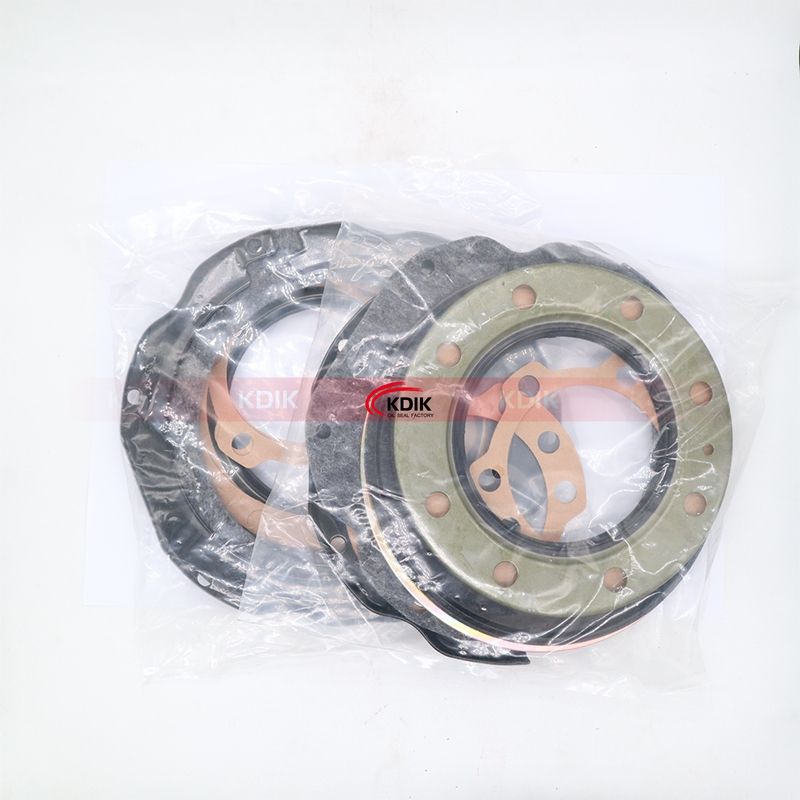
Common Errors to Avoid During Inspection
While diagnosing and repairing a leaking differential seal, many users encounter common mistakes. Here are some pitfalls to avoid:
Not Cleaning the Area: Failing to clean the area around the differential before inspecting can lead to confusion over the source of leaks.
Ignoring Symptoms: It’s easy to overlook minor symptoms like a small puddle or slight noise, but neglecting these indicators can lead to more extensive damage and expensive repairs.
Using Incorrect Tools: Using the wrong size sockets or failure to utilize a torque wrench might result in improper sealing or damage to the differential housing.
Summary and Suggestions
Regular inspection and maintenance of your vehicle’s differential seals are crucial to avoid leaks and ensure optimal performance. If you notice any signs of a leaking diff seal, don't ignore them. Follow the steps outlined in this guide to diagnose and address the issue promptly. By investing in quality parts, like KDIK seals, and maintaining awareness of your vehicle's needs, you can save yourself costly repairs down the line. Always consult a professional mechanic if you're uncertain about any steps.
Frequently Asked Questions (FAQ)
1. How often should I check my differential seal?
It’s advisable to check the differential seal at least once during every oil change or roughly every 5,000 miles.
2. Can I drive with a leaking differential seal?
While it may be tempting if the leak is small, it's not recommended as it can lead to more significant and costly damage to the differential.
3. What type of fluid is used in the differential?
The differential typically uses gear oil, which varies in viscosity according to the manufacturer's specifications, often ranging from SAE 75W-90 to 85W-140.


