In the ever-evolving world of automotive engineering, automotive oil seals play a crucial role in maintaining vehicle performance and longevity. These seals are essential in ensuring that vital fluids remain contained within the engine and transmission system, preventing leaks that can cause serious damage and costly repairs. When we consider the function of transmission seals, it becomes clear how imperative they are for proper vehicle operation. An unfortunate scenario arises when these seals fail, leading to problems such as fluid leaks, overheating, and transmission failure. Knowing how to identify the signs of a failing transmission seal is key to preventing more extensive damage to your vehicle.
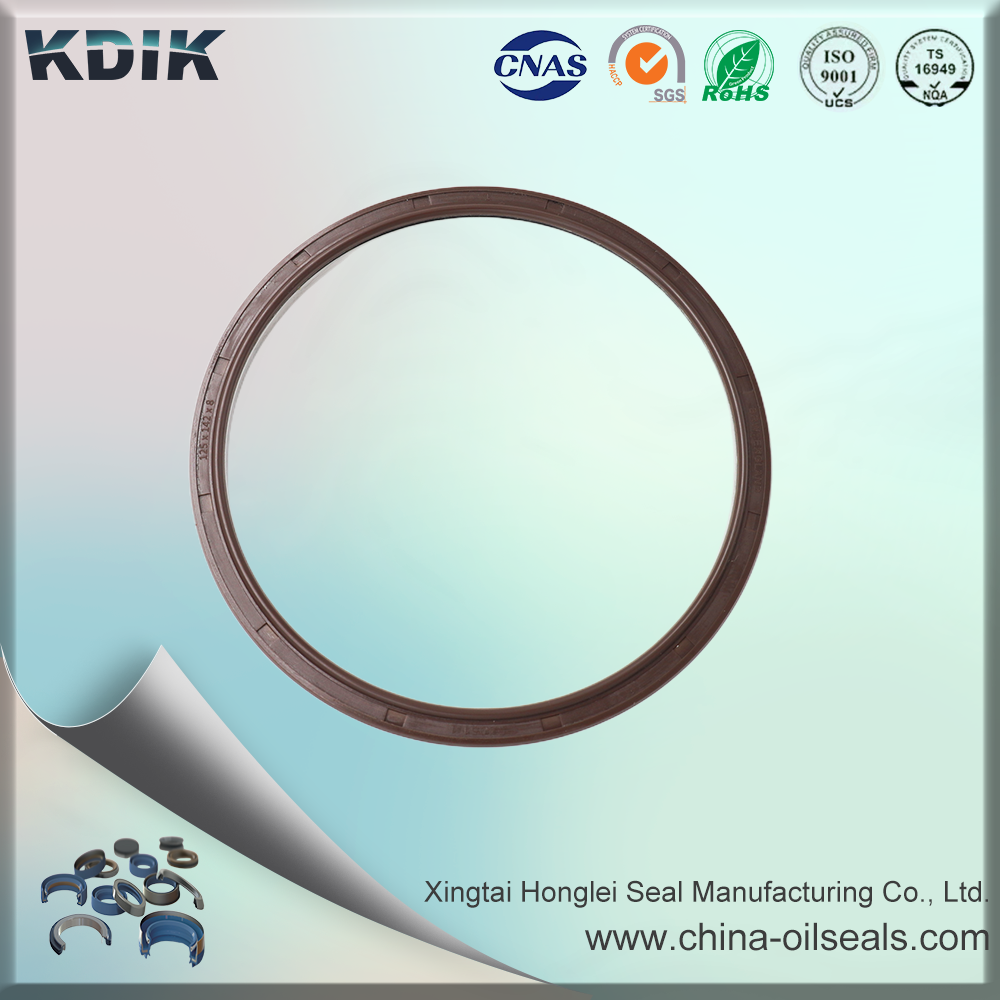
Definition: What Are Transmission Seals?
Transmission seals are specialized mechanical components designed to prevent the escape of fluid from the transmission housing while also keeping contaminants outside. At their core, these seals are crafted from durable materials that withstand high pressure and temperature changes commonly found in automotive settings. Industry terminology associated with transmission seals includes "dynamic seals," which refer to seals that allow relative motion between surfaces and are subjected to wear and tear from fluid motion.
Application Scenario: Where Are Transmission Seals Used?
Transmission seals are primarily utilized in the following fields:
Automotive: Vehicles with automatic and manual transmissions rely on these seals to maintain hydraulic fluid pressure and prevent external dirt and debris from entering the transmission system.
Heavy Machinery: Equipment used in construction and agriculture often includes transmission seals to protect the integrity of their hydraulic systems.
Marine Applications: Boats and marine engines use transmission seals to keep engine oil contained and safe from water intrusion, which is critical for reliable operation.
Brief Description of Advantages: Why Are Transmission Seals Important?
The importance of transmission seals cannot be overstated. According to a report by J.D. Power, over 30% of vehicle repairs are related to fluid leaks, which can largely be attributed to worn or damaged seals. Properly functioning transmission seals ensure:
Fluid Retention: Effective seals save approximately $500 annually in potential repairs related to fluid loss.
Contaminant Prevention: A good seal can reduce the risk of contaminants entering the transmission by up to 85%, leading to a longer life for your vehicle.
Cost Effectiveness: The overall cost to replace a transmission seal can range between $150 to $400, compared to the potential costs of a complete transmission repair, which can exceed $3,000.
Next Steps Guidance: What Should You Do Next?
To ensure the integrity of your transmission seal, it’s important to stay informed about your vehicle's maintenance requirements. Reading your vehicle’s user manual, regularly checking fluid levels, and looking out for telltale signs of leaks can save you from unexpected breakdowns. Additionally, consider using products from KDIK, known for high-quality automotive oil seals that enhance reliability and performance.
FAQ
Q1: What are the signs of a bad transmission seal?
A: Common signs include transmission fluid leaking from your vehicle, unusual noises while shifting, or slipping gears.
Q2: How often should I replace my transmission seals?
A: It’s advisable to inspect and, if necessary, replace transmission seals every 30,000 to 60,000 miles.
Q3: Can I drive my vehicle with a bad transmission seal?
A: It’s not recommended; driving with a compromised seal can lead to major transmission damage.
Q4: What is the cost to replace a transmission seal?
A: Replacement costs can vary depending on the vehicle, but they generally range from $150 to $400.
Conclusion
Understanding the role and significance of automotive oil seals, particularly transmission seals, is vital for vehicle maintenance. By being proactive in monitoring your vehicle's seals, you can prevent costly repairs and ensure the longevity of your transmission. For further understanding or to explore high-quality options, consider checking out KDIK for reliable automotive oil seals that can safeguard your investment.


